



Cryptocurrency is a digital asset that can be stored, transferred, and received over a computer network. Unlike funds in a bank account, cryptocurrency transactions can take place without a bank’s direct involvement. The right to control assets is confirmed not by a plastic card or passport, but by cryptographic keys.
“Crypto” is a common short name for cryptocurrency and other crypto assets. These include Bitcoin, Ethereum, stablecoins such as USDT and USDC, and thousands of tokens that operate on different blockchains.
Cryptocurrency in simple terms
Imagine a shared digital ledger whose copy is stored at the same time on a large number of independent computers. When a user sends cryptocurrency, information about the transfer is checked by the network and added to that ledger. Such a ledger is called a blockchain.
A blockchain does not store coins in the everyday sense. It contains records of addresses, transactions, and the current distribution of assets. A crypto wallet also does not “hold” cryptocurrency inside a phone or computer. It stores or uses keys that let the owner sign a transaction and prove the right to control the assets.
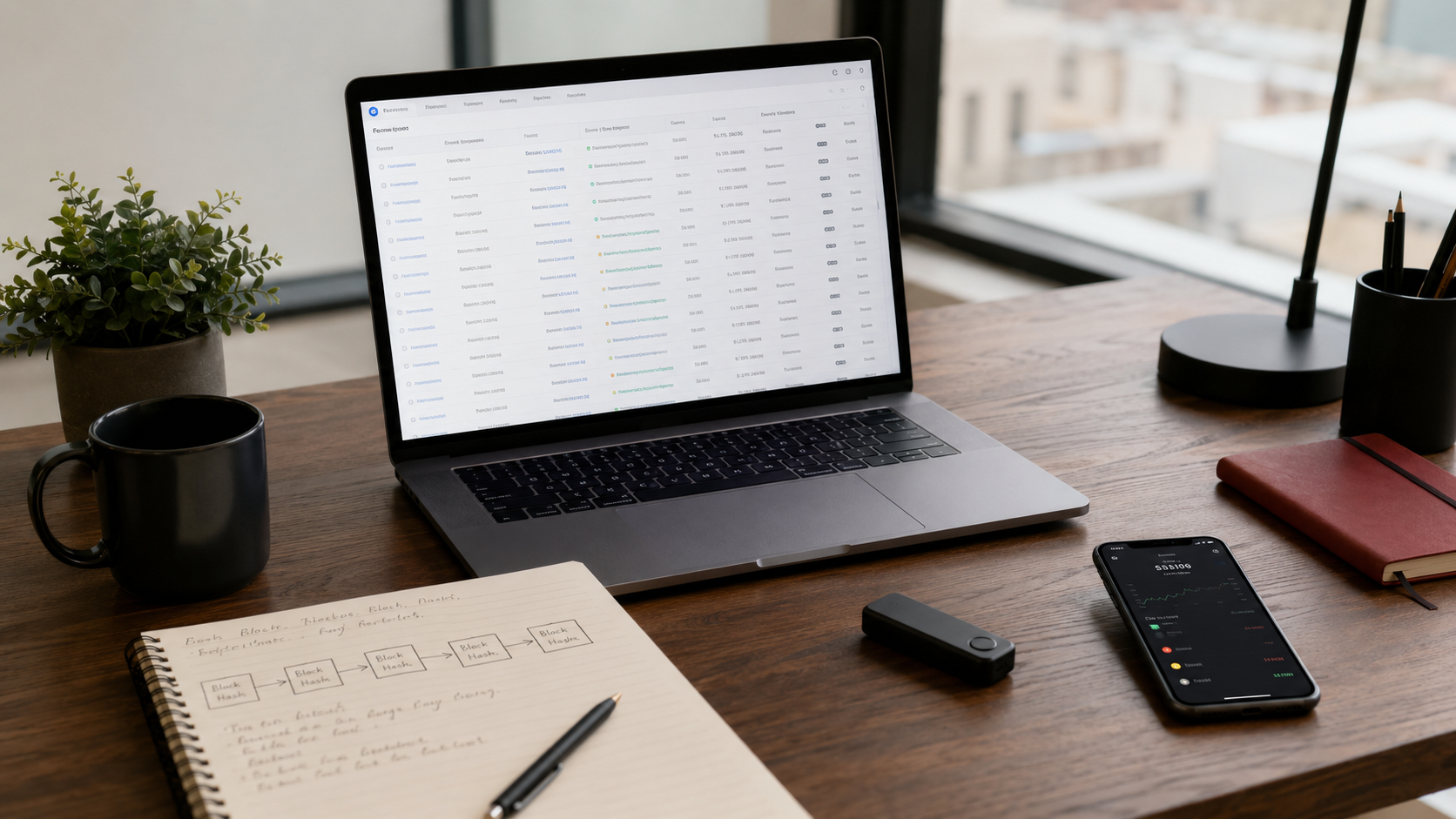
How cryptocurrency works
1 Creating a crypto wallet. The user receives a public address for receiving assets and a private key for controlling them. In many wallets, access can be restored with a seed phrase — a set of words that must never be shared with anyone else.
2 Building a transaction. The sender specifies the recipient address, the asset, the amount, and, if needed, the network fee.
3 Cryptographic signature. The wallet signs the operation with the private key. That signature lets the network verify the sender’s authority without revealing the key itself.
4 Network validation. Validators or miners check the transaction against the rules of the specific blockchain. After confirmation, the record becomes part of the transaction history.
5 Receiving the asset. The recipient address balance is updated on the blockchain. You can verify the operation in a block explorer using the wallet address or the transaction ID (TxID).

Types of cryptocurrencies and crypto assets
Coins. These are native assets of their own blockchains. For example, BTC is used on the Bitcoin network, and ETH on Ethereum. The native asset is often required to pay network fees.
Tokens are created on an existing blockchain using a smart contract. For more on how they work and the main types, see “What is a token in cryptocurrency”.
Stablecoins. These are crypto assets whose value is designed to track another asset, most often the US dollar. The best-known examples are USDT and USDC. Price stability does not remove issuer risk, address freezes, loss of access, or receiving assets from high-risk sources.
NFTs. Non-fungible tokens represent unique digital objects or rights. Unlike ordinary fungible tokens, each NFT has its own identifier.
What cryptocurrency is used for
- transfers between users and companies;
- international settlements;
- buying goods and services from merchants that accept crypto assets;
- trading and swapping on cryptocurrency exchanges;
- using decentralised applications and DeFi protocols;
- storing digital assets and long-term investing;
- using tokens in projects, games, voting systems, and loyalty programmes.
Special platforms are often used to buy and exchange assets. How they work is explained in “What is a cryptocurrency exchange”.
Get a consultation
A quick case assessment — no obligation
How cryptocurrency differs from regular money
Bank funds are recorded by a centralised financial institution. The bank identifies the client, maintains the account, and may reject an operation or restrict access in line with the law and its own control procedures.
On a public blockchain, accounting is handled by a distributed network. A user can store keys independently and send assets to other addresses. That independence also means personal responsibility: a mistakenly confirmed transaction usually cannot be cancelled by contacting support.
Main cryptocurrency risks
- Losing a seed phrase or private key. Without a backup, access may be impossible to restore.
- Phishing and fake websites. Scammers impersonate wallets, exchanges, and support teams.
- Malicious smart contracts. A signature or Approve permission can give a third-party contract access to tokens.
- Wrong address or network. Incorrect details can lead to permanent loss of assets.
- Volatility. The value of most crypto assets can change quickly.
- AML risks. Assets may be linked to hacks, fraud, sanctioned addresses, or other high-risk activity.
How to start using cryptocurrency safely
- never share your seed phrase, private key, or two-factor authentication codes;
- check the website domain and the smart-contract address;
- send a small test amount first;
- verify the network, recipient address, and Memo/Tag before confirming;
- use separate wallets for storage and for DeFi interactions;
- keep TxIDs, exchange statements, and documents that prove the origin of funds;
- before receiving a large amount, check crypto assets for AML risk.
Frequently asked questions
Is cryptocurrency real money?
Cryptocurrency is a digital asset that can be used for exchange, payments, or storing value. Its specific legal status depends on the jurisdiction and the type of asset.
Where is cryptocurrency stored?
Records of assets are kept on the blockchain. A wallet provides access to them with a private key or another authorisation mechanism.
Can a mistaken transfer be reversed?
A confirmed blockchain transaction usually cannot be cancelled automatically. Recovery may depend on the recipient, an exchange, a custodial service, and the technical circumstances of the operation.
Are all transactions anonymous?
No. On most public blockchains, addresses are pseudonymous, and transaction history is available for analysis. A link between an address and a specific person can be established through exchanges, payment services, open data, and other sources.
Need help with cryptocurrency?
If crypto assets were stolen, sent to scammers, frozen by a service, or need an origin check, the ProDefence team will run an initial assessment. We analyse asset movement on-chain, evaluate risks, prepare analytical materials, and support engagement with exchanges, services, and law-enforcement authorities.
Contact ProDefence as early as possible: in crypto incidents, the speed of capturing transactions and submitting requests often makes a decisive difference.
Crypto incident
Need transaction analysis or an asset-origin check?
Send the TxID, network, and a short description of the situation. ProDefence will assess the risks without asking for your seed phrase.
Confidential. No promises of “instant recovery”.


