How to recover stolen cryptocurrency: a step-by-step action plan for 2026
7 min readCrypto investigations
Cryptocurrency theft can occur through a phishing website, seed phrase compromise, malware, signing a malicious smart contract, or an exchange account takeover. Unlike a bank payment, a blockchain transaction usually cannot simply be cancelled or reversed.
That does not mean stolen assets cannot be traced. Most public blockchains retain transfer history, so fund movement can be analysed even after assets pass through dozens of addresses, swaps, or cross-chain bridges. The key is to act quickly, preserve evidence correctly, and identify the service where the assets ended up.
Is it realistic to recover stolen cryptocurrency
Recovery depends not only on the theft itself, but also on the subsequent asset route. You cannot gain direct access to the attacker’s wallet, but funds may be frozen if they come under the control of a centralised exchange, payment service, custodial provider, or other VASP.
1Funds on a centralised exchange. If stolen cryptocurrency arrives at a CEX deposit address, the exchange may be able to identify the linked account, retain technical logs, and restrict further withdrawals. A lasting freeze or disclosure of personal data usually requires a proper law-enforcement request or another legal instrument under the service’s jurisdiction.
2Funds in stablecoins. Some centrally issued tokens have a technical address-blocking function. However, an issuer does not freeze assets automatically based solely on a private complaint. The decision depends on company policy, the evidence provided, sanctions or AML risk, and whether a competent authority has made a request.
3Assets remain in a private wallet. In that situation, the wallet cannot be blocked technically. The priority becomes continuous address monitoring and capturing the moment funds move toward a service that can identify the account holder or restrict operations.
Important: A blockchain investigation does not guarantee recovery. It establishes the asset route, related addresses, services used, and potential freeze points. Actual seizure or return of assets requires engagement with VASPs, token issuers, and law-enforcement authorities.
What to do immediately after cryptocurrency theft
The first hours after an incident can be decisive. Attackers often try to split assets across addresses quickly, swap them via a DEX, move them to another blockchain, or cash out through a centralised service.
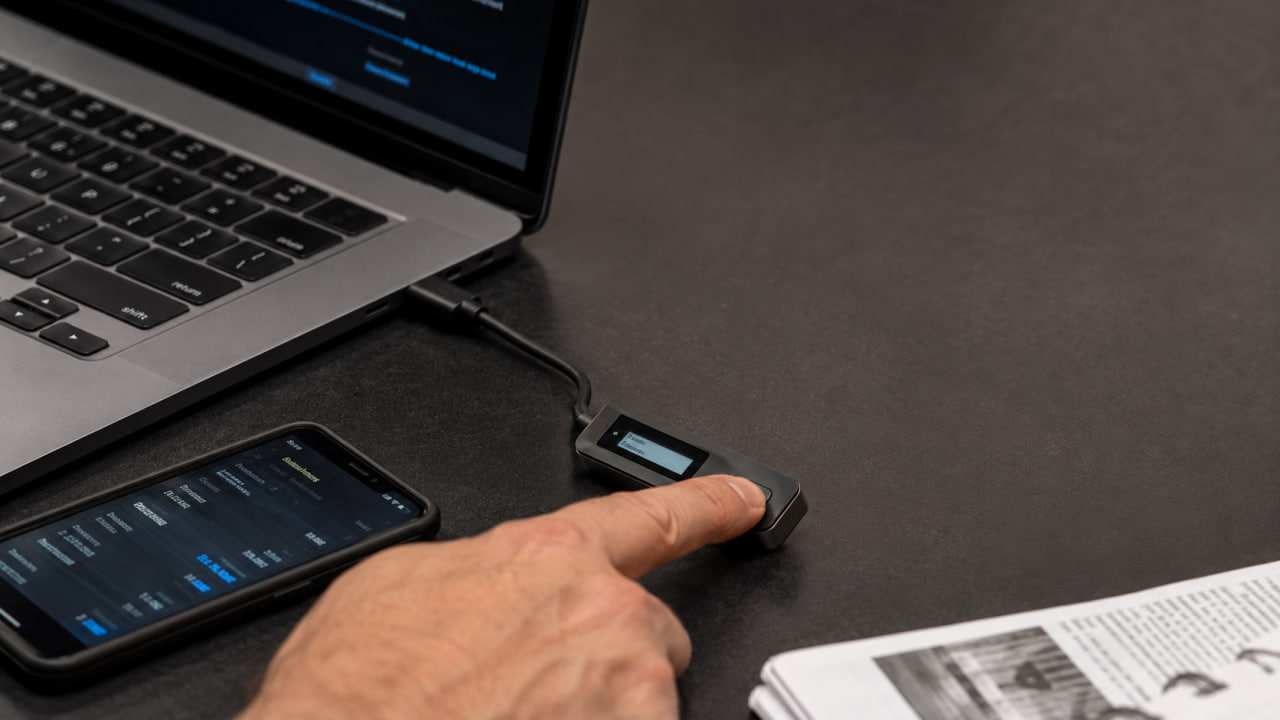
1Secure any assets that remain. If a wallet is compromised, create a new wallet on a clean device and transfer the remaining balance there. Do not reuse the old seed phrase. If the incident involved signing a malicious approval, review and revoke active token approvals.
Do not delete the wallet app, correspondence, browser history, or files before evidence is preserved. If malware is suspected, stop using the infected device and do not initiate new operations from it.
Securing remaining assets on a clean device and hardware wallet
2Document everything about the incident. Save TxIDs of the stolen transactions, sender and recipient addresses, blockchain name, asset type and amount, and the exact date and time. Separately preserve screenshots, the phishing URL, emails, Telegram chats, call records, receipts, and account identifiers.
TxID of each related transaction;
address of the compromised wallet;
addresses to which assets were withdrawn;
loss amount in cryptocurrency and its equivalent at the time of the event;
phishing domain, application, or file;
correspondence with the attacker;
screenshots of the wallet, exchange, and operation messages;
device details and circumstances of the compromise.
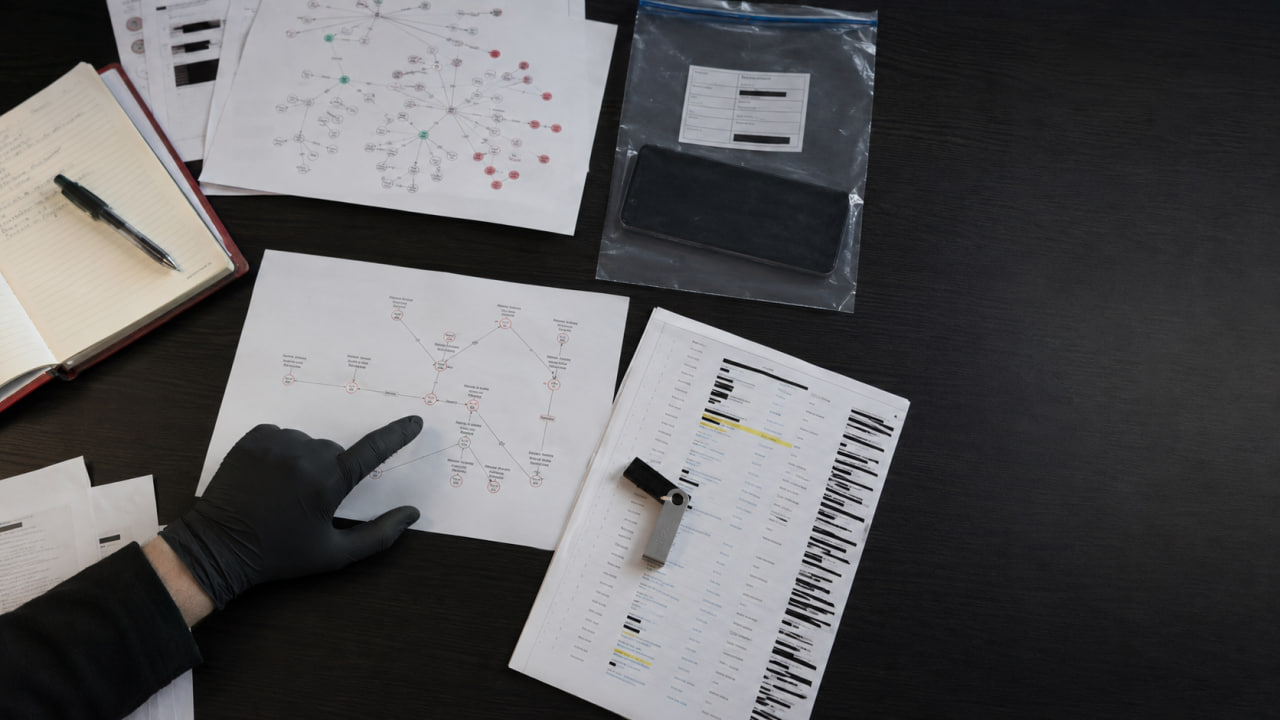
3Start blockchain analysis. At this stage you establish the initial asset route, related addresses, and any DEX, bridges, exchangers, payment providers, and centralised exchanges used. Do not stop at viewing a single transaction: funds may be split into dozens of parts or merged with other flows.
Preserving evidence and mapping asset movement
4Notify the VASP and law enforcement. If an exchange or other centralised service is identified, send it a prompt incident notice with TxIDs, addresses, and a description of how the assets originated. In parallel, file a report with the National Police or Cyber Police and keep confirmation of acceptance.
A private notice may help the service retain information early or open an internal review, but it does not replace an official procedural request. That is why technical investigation and legal steps should run in parallel.
Caution: After cryptocurrency theft, victims are often contacted by so-called recovery services that promise guaranteed returns for an upfront fee. Do not give such parties your seed phrase, private keys, two-factor authentication codes, or remote access to your device.
How tracing, freezing, and recovery of assets work
A full crypto investigation consists of several sequential stages. The goal is not merely to show where the first transaction went, but to establish the entire asset route through to the end service or attacker-controlled infrastructure.
1Building the transaction route. The analyst examines all outgoing transactions, asset splitting, fund consolidation, internal token transfers, swaps, cross-chain hops, and smart-contract interactions. Signs of mixers, privacy services, gambling platforms, or OTC infrastructure are checked separately.
2Identifying services and exit points. Addresses are matched against known clusters of exchanges, exchangers, bridges, payment providers, and other VASPs. If assets reached a service deposit address, the relevant TxIDs, amounts, arrival times, and further fund movement are recorded.
3Data preservation and freezing. The service receives a structured notice with evidence linking the assets to the specific incident. Depending on the circumstances, requests may cover retention of logs, account data, IP addresses, KYC information, and details of subsequent withdrawals.
A freeze decision depends on the service’s policy and legal grounds. Seizing assets, obtaining confidential information, and returning them may require a court order, an investigator’s or prosecutor’s request, or mutual legal assistance.
4Procedural seizure and return. If assets are frozen and linked to a criminal offence, competent authorities may initiate seizure, confiscation, or similar measures under applicable law. Return to the victim then depends on the procedural status of the assets, the service’s jurisdiction, and the decision of the competent authority.
Conclusion
Recovering stolen cryptocurrency is not possible in every case. Even so, professional and timely blockchain analysis can establish the asset route, identify related addresses, and determine the services through which attackers try to cash out or obscure funds.
The earlier an investigation starts, the more opportunity there is to capture asset movement, notify the relevant VASP in time, and preserve information that may otherwise be lost. Viewing transactions alone in a blockchain explorer often does not give a complete picture — especially where DEX platforms, bridges, swaps, exchangers, or multiple blockchains were used.
The ProDefence team supports a case from the first transaction through to freeze points
ProDefence assistance
Do not waste time — entrust the investigation to professionals
ProDefence conducts comprehensive crypto investigations and supports a case from the first transaction through to identifying end services and potential freeze points. We handle incidents involving phishing, wallet compromise, seed phrase theft, investment fraud, malicious smart contracts, and unauthorised asset withdrawals.
As part of an investigation, our team:
traces fund movement across different blockchains;
identifies related addresses, clusters, and transactions;
determines exchanges, exchangers, bridges, and payment services used;
sets up continuous monitoring of further asset movement;
prepares structured notices to VASPs and token issuers;
produces a technical report and evidentiary materials for counsel and law enforcement;
supports communication with services until an official response is received.
If your cryptocurrency was stolen, send us the wallet address, TxID, or a brief description of the event. ProDefence specialists will make an initial assessment, outline possible investigation paths, and explain which steps apply to your case.