


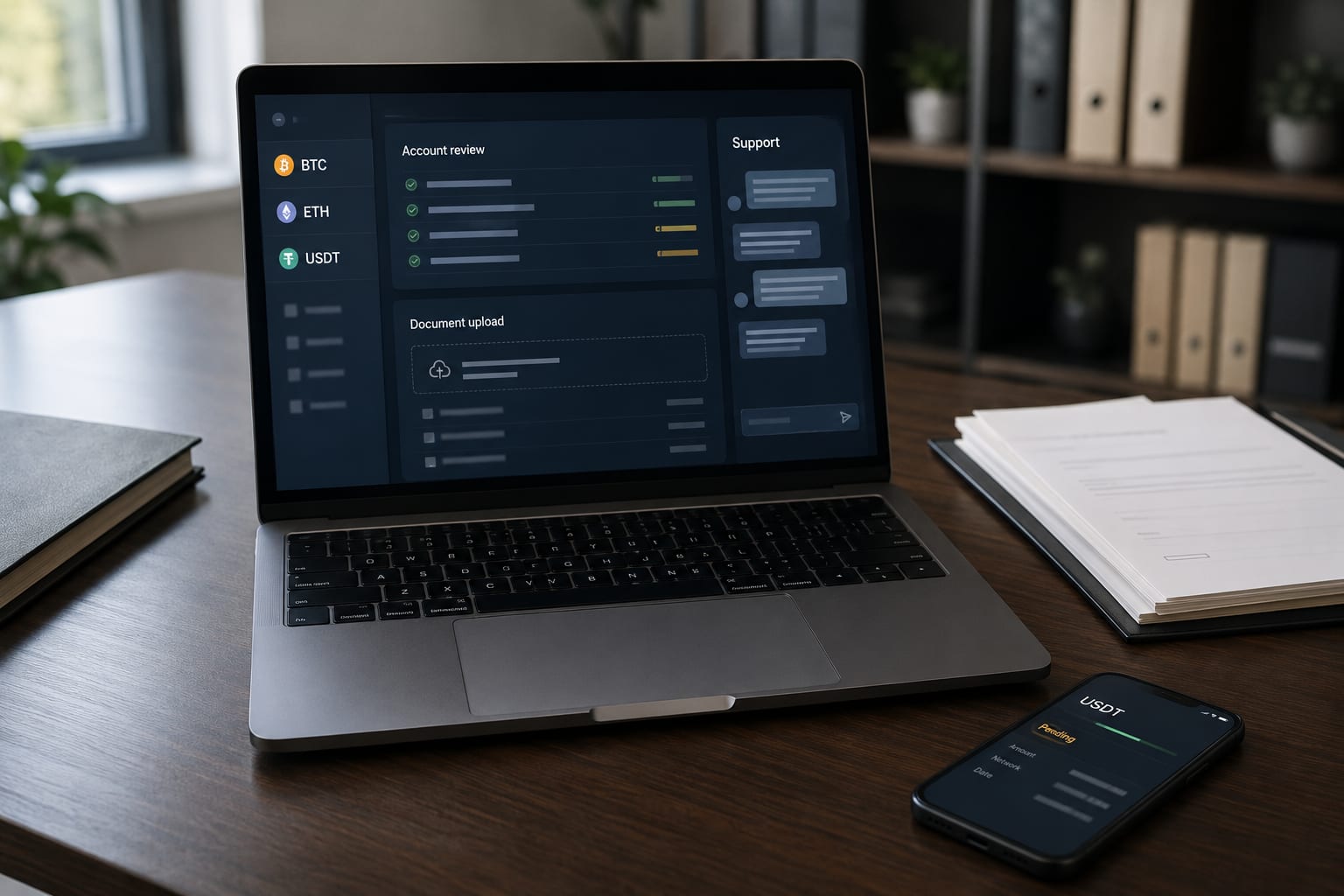
A crypto exchange may ask you to evidence the origin of funds before a large deposit, an asset withdrawal, a fiat operation, or during an enhanced account review. In that case the user receives a Source of Funds, Source of Wealth, or additional documentation request for specific transactions.
Such checks are run by Binance, Bybit, OKX, Kraken, and other centralised cryptocurrency platforms. The request itself does not mean the funds have been deemed unlawful. The exchange is trying to establish where they came from, who owns them, and whether operations match the user’s declared financial profile.
The problem is that a balance screenshot or a single transaction link is usually not enough. You need to show a complete, logical path: how the funds were earned or received, where cryptocurrency was bought with them, which addresses it moved through, and how it arrived on the exchange.
What Source of Funds is and why exchanges request it
Source of Funds, or SOF, is evidence of the origin of specific funds the user has already deposited or plans to deposit on the platform. For example, if someone bought 50,000 USDT with business income, they need to show not only the USDT transfer to the exchange, but also documents explaining how that amount was formed.
1 Source of Funds concerns specific funds. SOF answers: where did the sum used for a particular deposit, crypto purchase, or other operation come from? It may be salary, business income, a property sale, investment profit, inheritance, a gift, or a loan.
2 Source of Wealth explains overall financial standing. SOW shows through which activity the user built aggregate capital. It is a broader concept that may cover business, real estate, an investment portfolio, savings, and digital assets.
3 KYC does not evidence asset origin. A passport, selfie, and proof of address help the exchange identify the user. They do not explain where money or cryptocurrency came from. That is what SOF, SOW, or Enhanced Due Diligence are for.
4 A blockchain transaction shows movement, not economic origin. A TxID can establish sender and recipient addresses, amount, and asset route. The blockchain alone does not explain whether funds were salary, business profit, payment for property, or investment income.
5 The exchange assesses documents and transactional risk. Reviews may consider counterparties, asset routes, services used, geographic factors, atypical amounts, and consistency with the client profile.
Key distinction: Source of Funds explains the origin of a specific sum, while Source of Wealth explains how overall capital was formed. An exchange may request one or both.
Requirements differ by platform, jurisdiction, account type, and review circumstances. Do not automatically send every document you have. First determine what the exchange is actually asking you to evidence.
Which documents evidence cryptocurrency origin
There is no universal Source of Funds document. The evidence pack depends on how the funds were obtained and how the cryptocurrency was purchased. Documents should form a continuous link between the user’s income, the asset purchase, and the exchange deposit.
1 Salary or other employment income. An employment contract, income certificates, payslips, a tax return, and a bank statement showing salary credits may be used. If cryptocurrency was bought with that money, proof of purchase is also needed.
2 Business activity or a company you own. The pack may include registration documents, client contracts, invoices, acts of completed work, bank statements, financial statements, and tax payment records.
3 Cryptocurrency purchased on another exchange. Show the verified account profile, deposit history, buy orders, an operations statement, and the withdrawal to the address from which assets were later sent to the other platform.
4 Purchase via P2P. Useful evidence includes the order number, platform details, bank transaction, amount, date, payment method, and the cryptocurrency credit transaction. P2P order data should match the bank transfer and subsequent asset movement.
5 Trading or investment profit. Provide initial funding history, trading operations, realised profit, and withdrawals. Also explain the origin of the starting capital used to begin trading.
6 Transfers between your own exchanges and wallets. Confirm that the originating account or wallet belongs to you. For an exchange this may be an account profile, an official withdrawal statement, TxID, and proof of control over a non-custodial address.
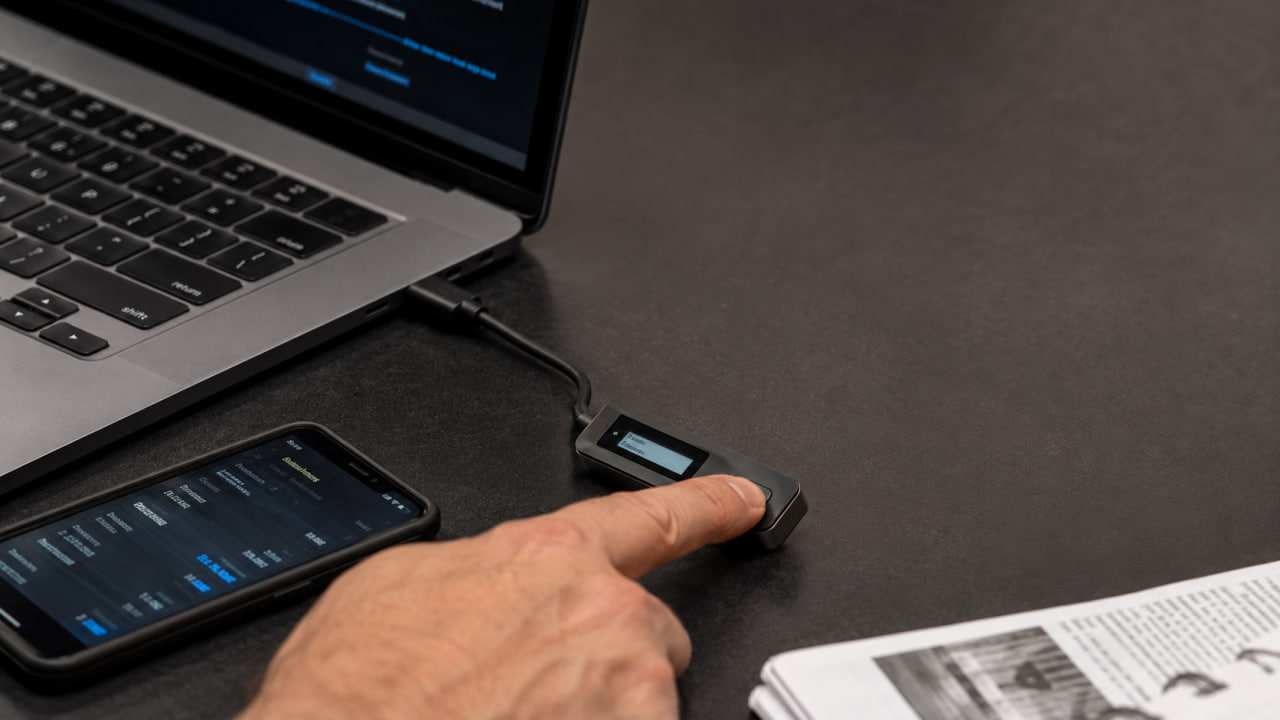
7 Mining, staking, or protocol rewards. Mining-pool statements, reward history, validator data, exchange or staking-platform reports, blockchain-explorer transactions, and tax documents may be used.
8 Sale of real estate, a vehicle, or other property. A sale contract, ownership documents, a bank statement showing the credit, and proof of the subsequent cryptocurrency purchase are needed.
9 Loan, gift, or inheritance. Depending on the facts, a loan agreement, fund-transfer document, inheritance papers, bank statements, or a cryptocurrency transaction confirmation may be required. The exchange may also ask for information about the person who transferred the assets.
A wallet screenshot is not enough. It may show a balance and address, but it does not evidence how assets were obtained, who controlled the wallet in the past, or whether a specific sum belongs to the user.
If assets passed through DEXs, bridges, DeFi protocols, or multiple blockchains, connect the operations into one sequence. The exchange needs to see that the asset on the final deposit results from specific prior operations — not an inflow from an unknown counterparty.
Get a consultation
A quick case assessment — no obligation
How to prepare a Source of Funds report for a crypto exchange
A strong SOF pack is not an archive of dozens of random files. It is a structured explanation in which every claim is backed by a document or a blockchain transaction.
1 Analyse the exchange’s request. Determine whether you must evidence a specific deposit, overall asset origin, financial standing, or operations with certain addresses. Note the response deadline and accepted document formats.
2 Build a chronology of how funds were formed. Describe in sequence income receipt, cryptocurrency purchase, storage, swaps, bridge use, and the final exchange deposit.
3 Prepare a transaction table. For each operation note the date, blockchain, asset, amount, sender address, recipient address, TxID, service name, and transfer purpose.
4 Align transactions with documents. The amount in a bank statement should logically correspond to the cryptocurrency purchase, and a withdrawal from the originating exchange should match the credit to the relevant blockchain address.
5 Evidence control over addresses. If non-custodial wallets appear in the chain, explain ownership. Depending on wallet type, operation history, message signing, or other technical control evidence may be used.
6 Screen addresses for AML risk. Blockchain analysis helps identify interaction with high-risk counterparties, mixers, scam addresses, sanctioned services, or assets linked to theft and phishing.
7 Remove contradictions. Names, dates, amounts, platform names, and asset routes must align. If some information is missing, explain that openly rather than replacing gaps with unverified claims.
8 Submit documents through the official channel. Upload confidential files only via the official app, website, or verified support address. Fraudsters may impersonate a compliance team and request documents through messengers or phishing pages.
An AML report does not replace Source of Funds. It helps show the transactional route and risk links, but lawful economic origin is evidenced by a combination of financial, contractual, and technical proof.
Conclusion
To evidence cryptocurrency origin you need both parts: documents on the lawful formation of funds, and blockchain evidence of their subsequent movement. If there is a gap between them, the exchange may request more information or keep account restrictions in place.
Specialists at ProDefence conduct blockchain analysis, identify asset sources, examine transaction chains, and help assemble a structured Source of Funds pack for Binance, Bybit, OKX, Kraken, and other cryptocurrency platforms.
We align TxIDs, addresses, statements, contracts, P2P orders, and trading history, then produce a clear explanation for the compliance team. Where needed, counsel and specialists in the relevant jurisdiction are involved.
Source of Funds and AML analysis
Has an exchange asked you to evidence cryptocurrency origin?
Send ProDefence specialists the request text, available TxIDs, and a short description of the asset source. We will identify missing documents, run blockchain analysis, and help prepare a structured compliance response.
Request Source of Funds preparation
For Binance, Bybit, OKX, Kraken, and other cryptocurrency platforms.


